



Pierniczki aka Polish gingerbread cookies are soft, full of honey and warming spices like cinnamon, cloves and nutmeg. They're very easy to make and traditionally enjoyed around Christmas although there is nothing stopping you from making them at any time of year.
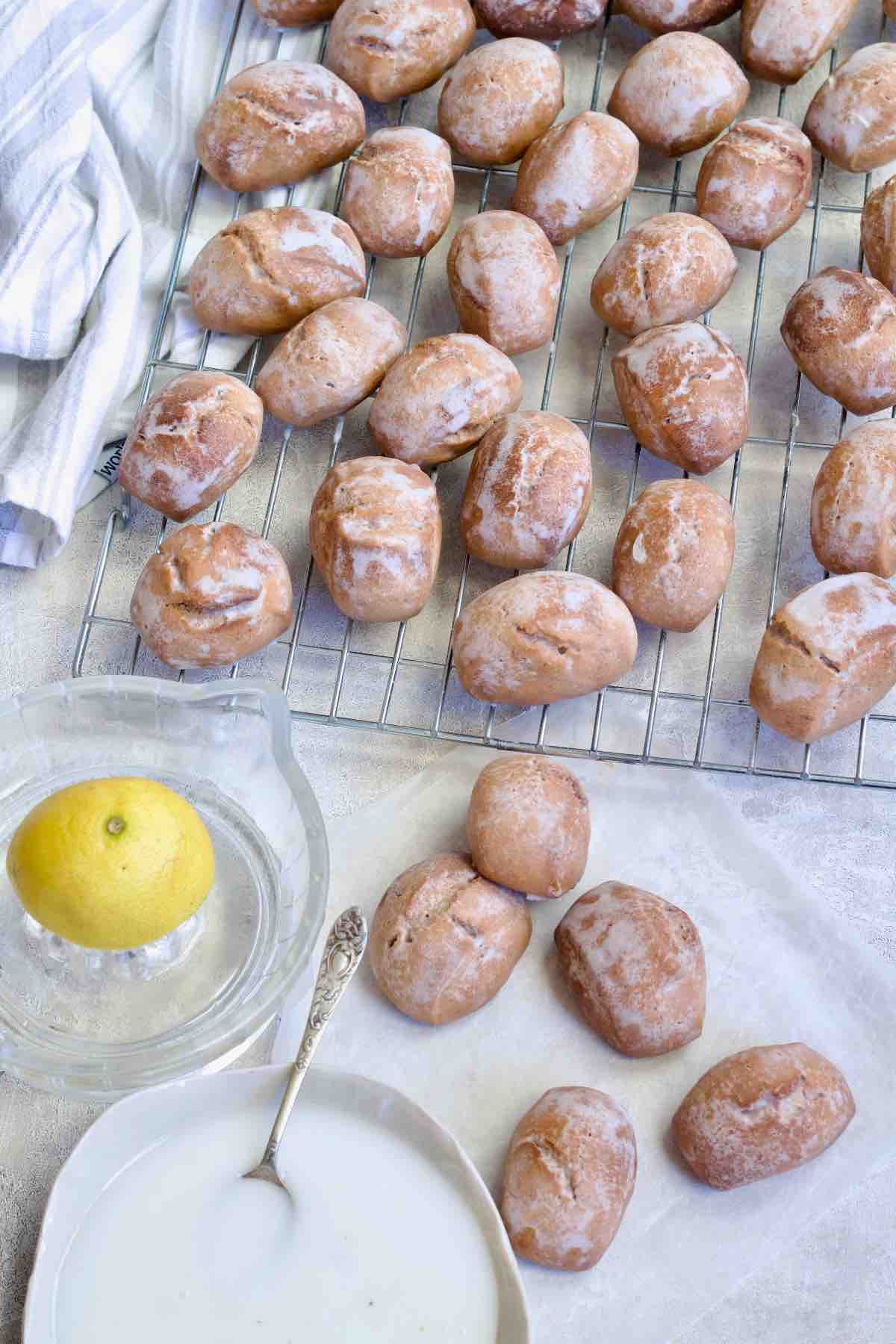
You have probably seen plenty of Polish pierniczki recipes on the internet but trust me when I say that this one is pretty special. Why? It's because it's not a generic recipe like many others out there. Instead, it's a regional recipe from Kociewie which is part of Polish Pomerania where I grew up.
My mum used to make them for us when we were growing up. Now I make them for my kids every year at Christmas and often beyond. I hope you'll like them as much as we do.
Jump to:
Pierniczki Fefernuski - little background
These sweet little gingerbread bites are known as Fefernuski. Their name comes from German pfeffernusskuchen (pfeffer – pepper, meaning peppery, nuss – nut, meaning hard).
"Pepper?!" I hear you ask. Just wait and see.
Traditionally, they're to be prepared 2 weeks before Christmas for the dough to mature up until Christmas Eve when they're baked. Such a long wait is not strictly necessary so don't worry but more on that below.
Fefernuski have been added to the national list of traditional products in Poland related to the region of Kociewie which in my eyes makes them even more special.
Despite their name, these lovely gingerbread cookies do not actually contain any ginger. Controversial I know, but sometimes you just have to trust the process and I promise you that lack of ginger will go unnoticed.
On the whole this recipe is similar to other types of pierniczki you might have come across before but there are couple of ingredients that might surprise you, more on that below.

✔️ Why you'll love this recipe
- Original and somewhat unusual regional recipe for Polish gingerbread cookies.
- Very easy to make.
- Rested dough is great to work with so perfect for getting kids involved.
- You get a lot of bite sized cookies and they store really well for a long time. In fact they get better with time.
- They're soft (after a day or two of rest in a tin) which makes a nice change from hard gingerbread cookies/biscuits.
📝 Pierniczki ingredients
Here's what you will need to make my Polish gingerbread cookies:
DOUGH
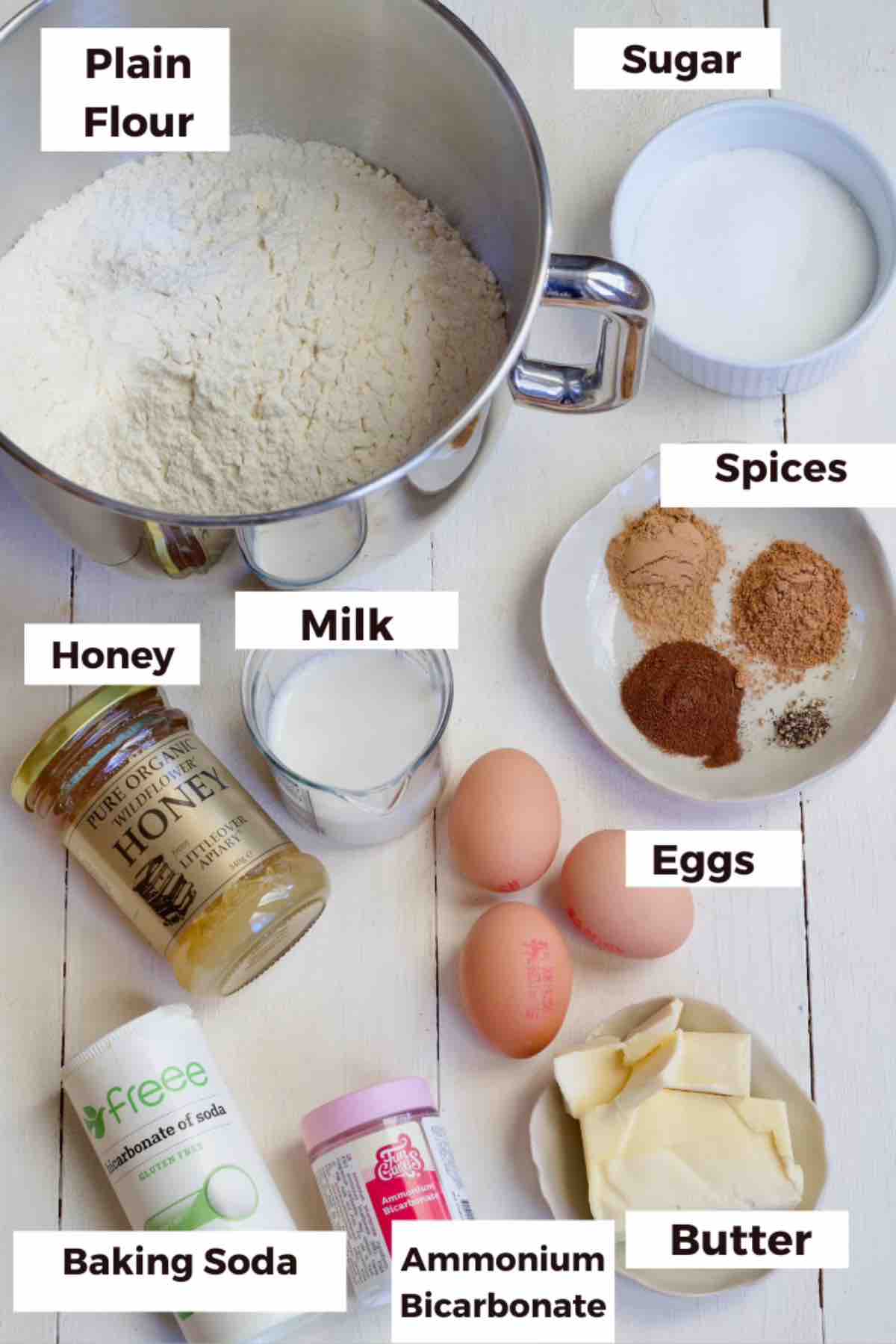
Plain (All-Purpose) Flour - That's all you need here. Don't use self-raising flour!
Butter - I use plant block butter but feel free to use dairy butter. Either salted or unsalted is fine, I usually use salted in my bakes.
***Fun Fact*** Originally, these used to be made with lard. Thanks but no thanks!
Eggs - I used 3 medium to large sized eggs.
I'm afraid I haven't tried making these without eggs but you could try substituting them with 150g of thick plant based yogurt or dairy yogurt if only allergic to eggs and not vegan.
Sugar - You can use regular granulated or fine caster sugar.
Milk - I used unsweetened soya milk but feel free to use regular dairy milk. You could also use other plant milks but do make sure they're unsweetened varieties. I find soya is best for baking due to its high protein content and neutral flavour.
Honey - Honey is very traditional when it comes to baking Polish gingerbread cookies. It imparts lovely flavour on pierniczki so any substitution like agave syrup or maple syrup, although possible, will make them taste considerably different.
Spices - Originally used spices are cinnamon, cloves and nutmeg (all ground). As mentioned before there is no ginger but don't let that put you off.
Black pepper - As controversial as it sounds it really works here providing very subtle background heat and flavour. If you didn't know it's black pepper you would wonder what else is there but you wouldn't be able to put your finger on it. You can skip it if you want although I wouldn't.
Baking soda - Leavening agent. No substitution.
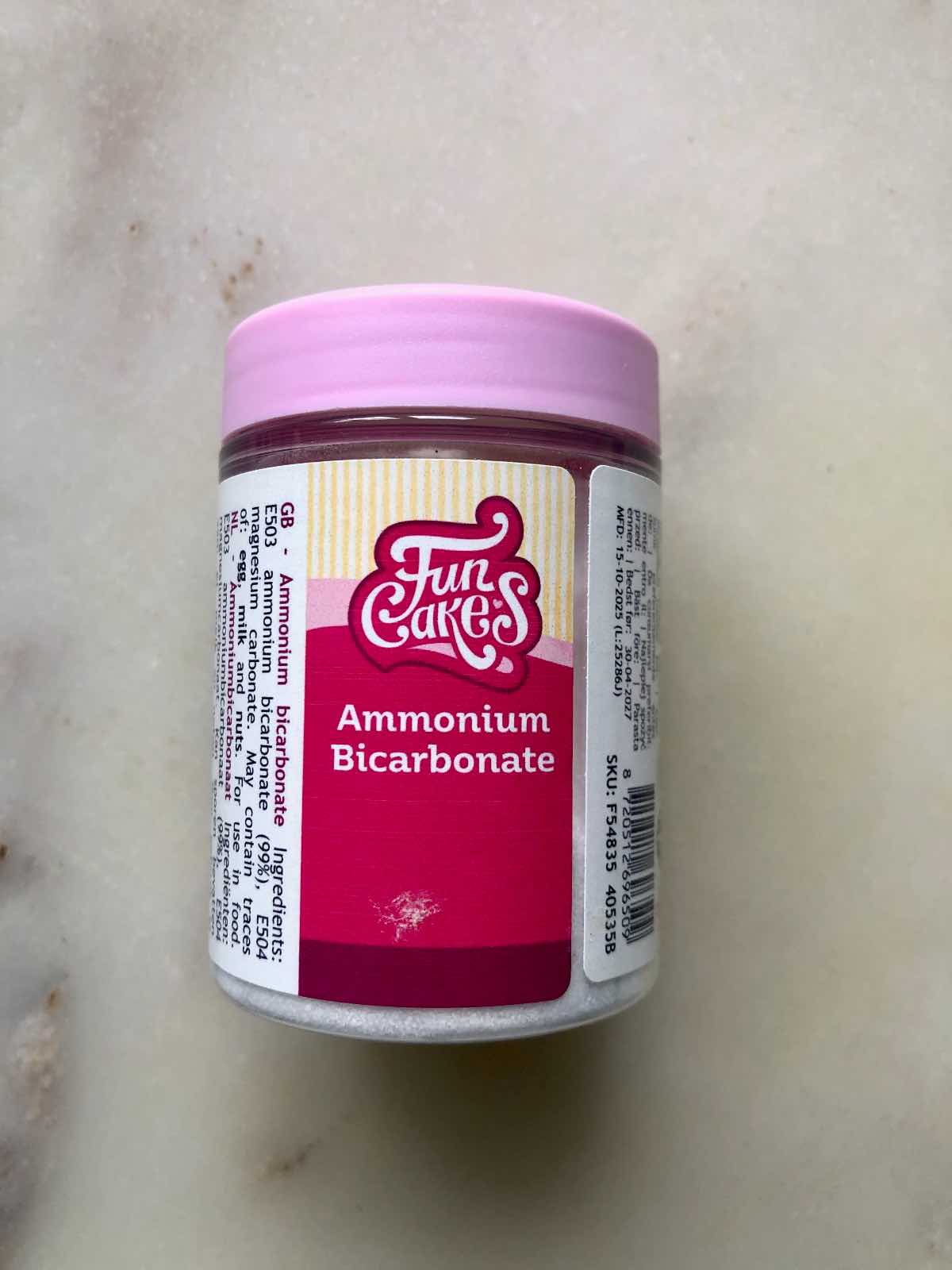
Ammonium Bicarbonate aka Baker's Ammonia or Hartshorn - Used in Scandinavian and European baking it is another leavening agent. It's not used as widely anymore and mostly in old/heritage recipes but it's definitely worth sourcing for the recipes that call for it, like this one.
One of its advantages is that it doesn't have 'soap like' aftertaste you might get from bicarb of soda or baking powder. Seasoned bakers will know what I'm on about.
It is quite smelly but the smell dissipates completely once baked. It's also quite important to mix it with a little bit of water before adding it to the dough for even distribution.
When it comes to substitutes you could use baking powder instead (at a pinch) but the overall flavour will be different.
Feel free to have a little read about this less known ingredient on Wikipedia as well.
ICING
You need really runny icing for pierniczki to create a very thin layer on the cookie once set. You can go for plain (water only) icing but I love lemony one, it goes so well with the flavour of the cookies.
Icing Sugar - Make sure to sieve it to avoid lumps in your icing.
Lemon Juice - I like using organic lemon juice from the bottle as it's more cost effective and less wasteful. Feel free to squeeze your own.
Water - I also add a little bit of water but you could go with 100% lemon juice if you wanted to.
🔪 How to make pierniczki
Ingredient quantities & detailed instructions to be found in recipe card at the bottom of the post.
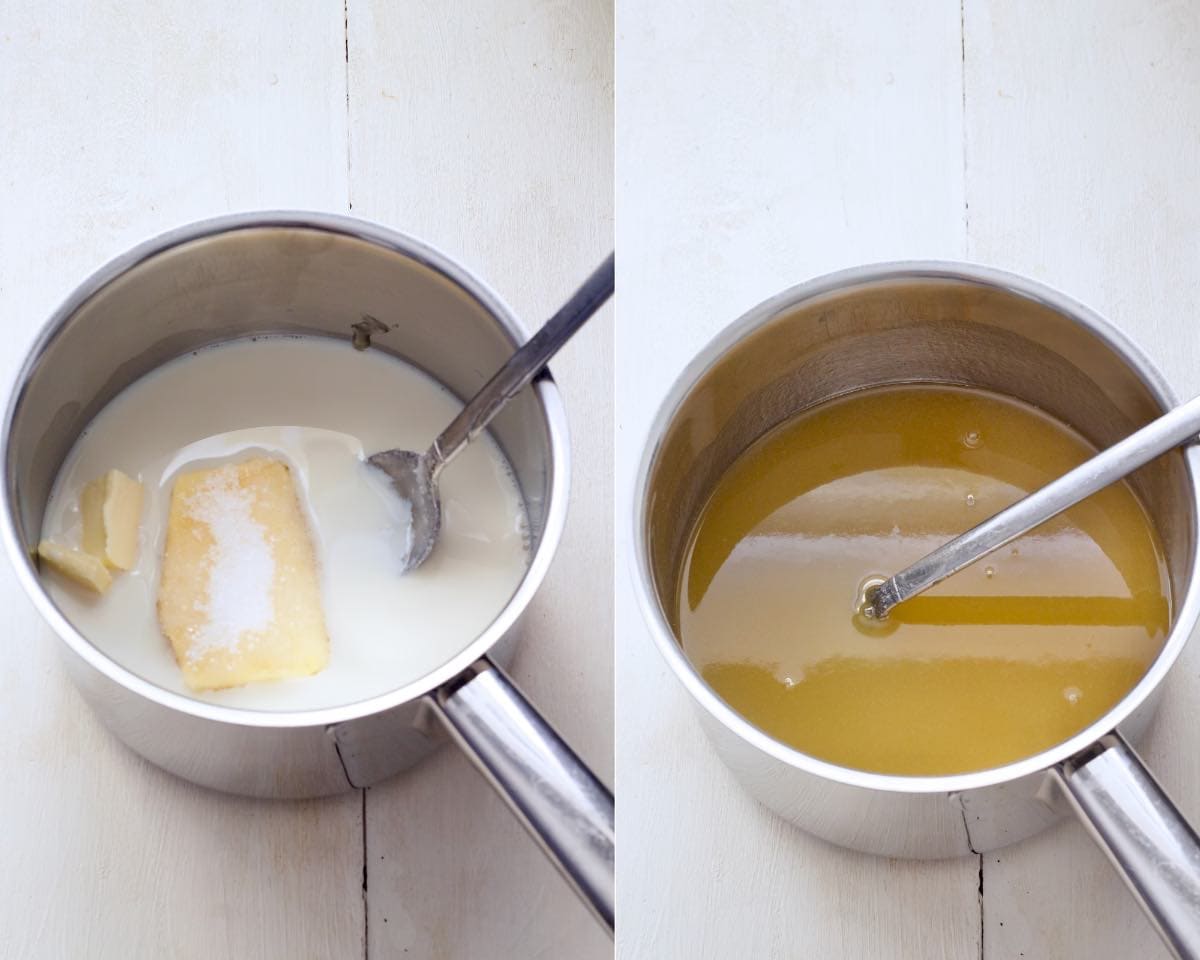
Put sugar, butter, milk and honey in a medium pan and heat up gently stirring constantly until dissolved/melted together into uniform mixture. Make sure you don't allow mixture to boil. Set aside.
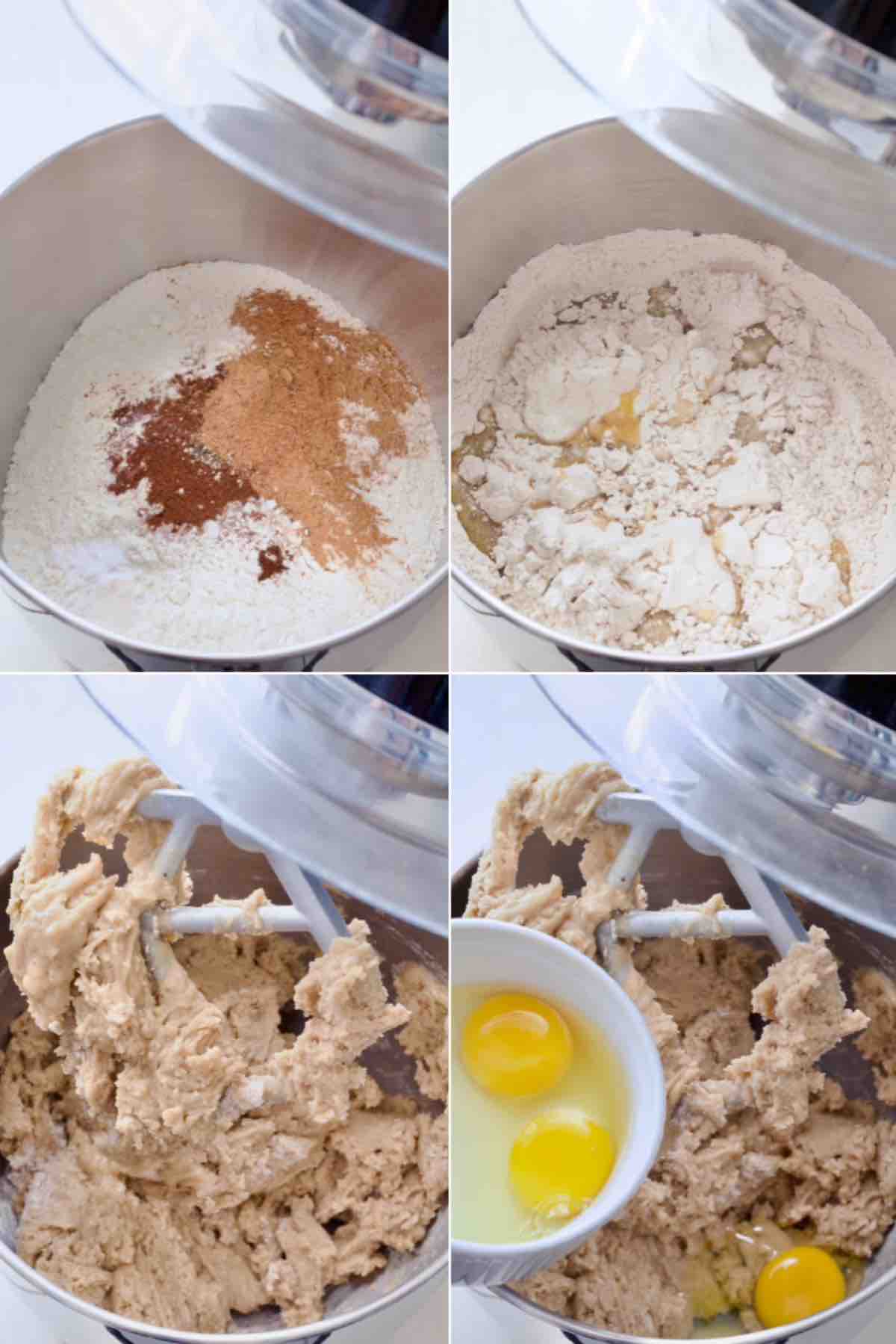
Put flour, spices, black pepper and baking soda in a large bowl or a bowl of stand mixer and give it a quick mix to incorporate.
***Quick Tips*** Although this dough can be mixed by hand with a help of wooden spoon, I would highly recommend using stand mixer with paddle attachment. It is a really stiff dough and you will need a lot of elbow grease to properly mix it by hand.
Pour butter and honey mixture into the flour and start mixing.
Add eggs one by one, mixing in between each addition.
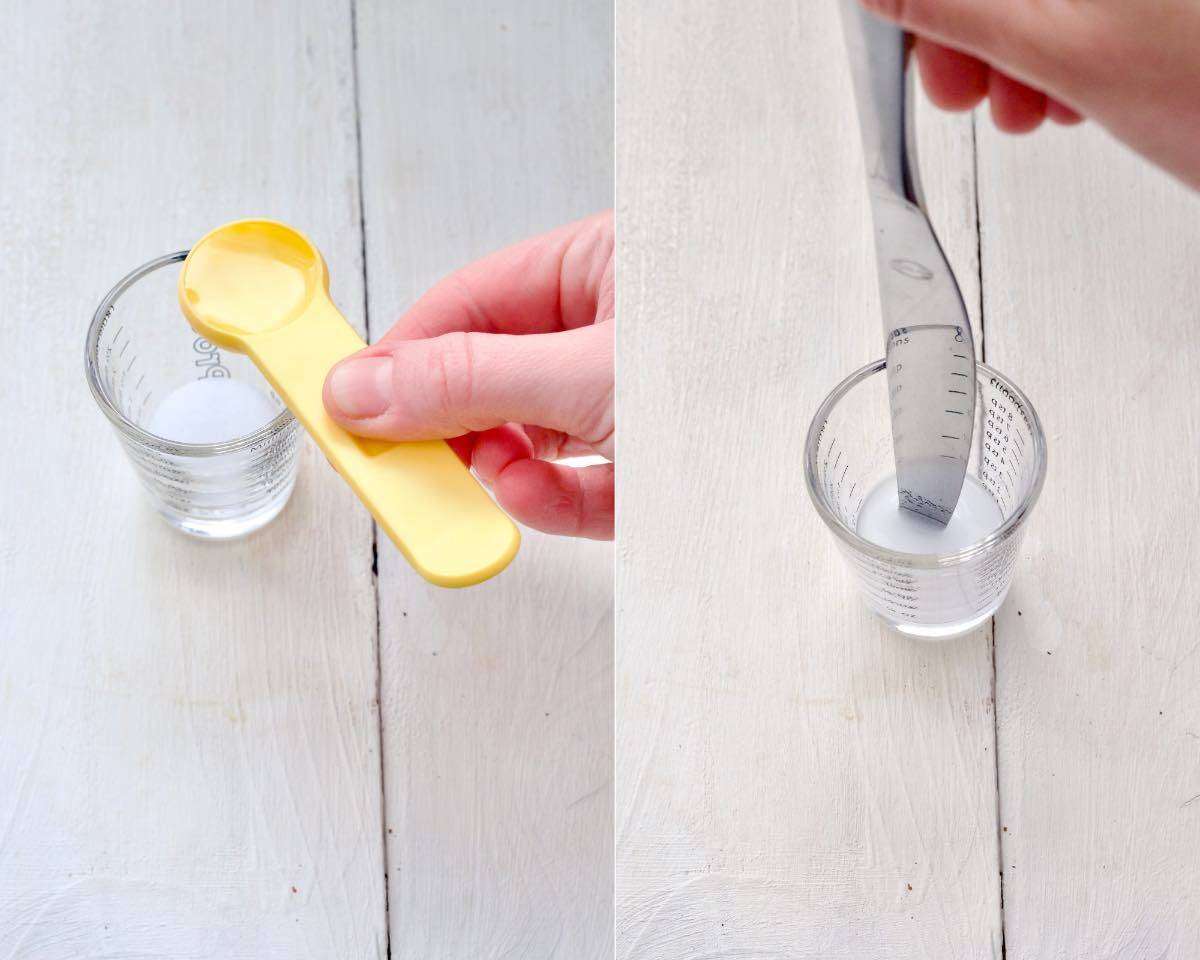
Prepare ammonium bicarbonate by mixing it with a teaspoon of water. This makes it easier to evenly distribute through the dough.
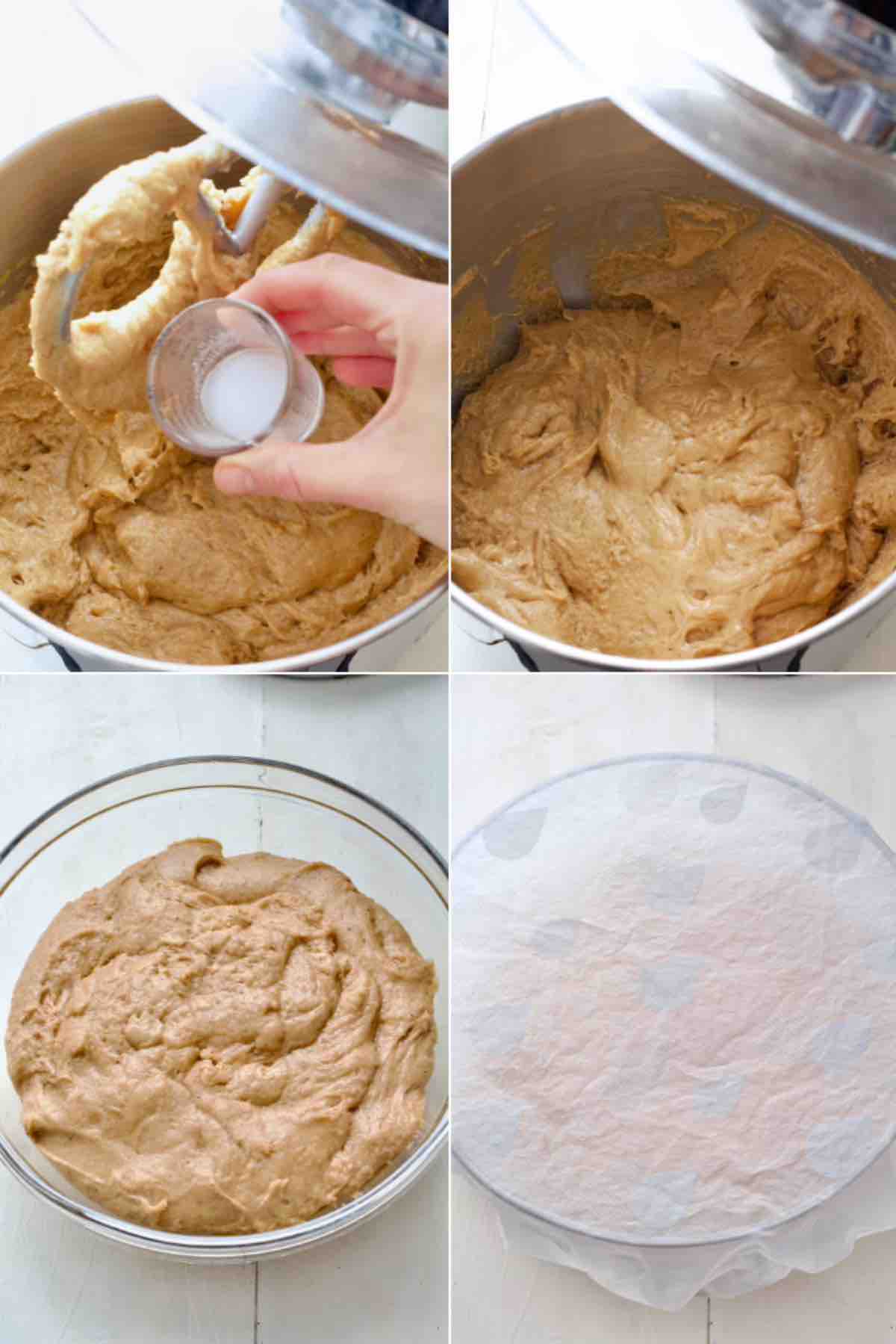
Add ammonium bicarbonate water mixture into the dough and mix well to incorporate. At this point dough will be very sticky and it wouldn't be easy at all to work with. It requires chilling.
Transfer your dough into a bowl that will fit in your fridge. Cover and put in the fridge for minimum of 48 hours and up to 2 weeks to firm up and for flavours to develop.
When you're ready to bake preheat the oven to 180°C/ 350°F/ gas mark 4. I use fan oven at this temperature.
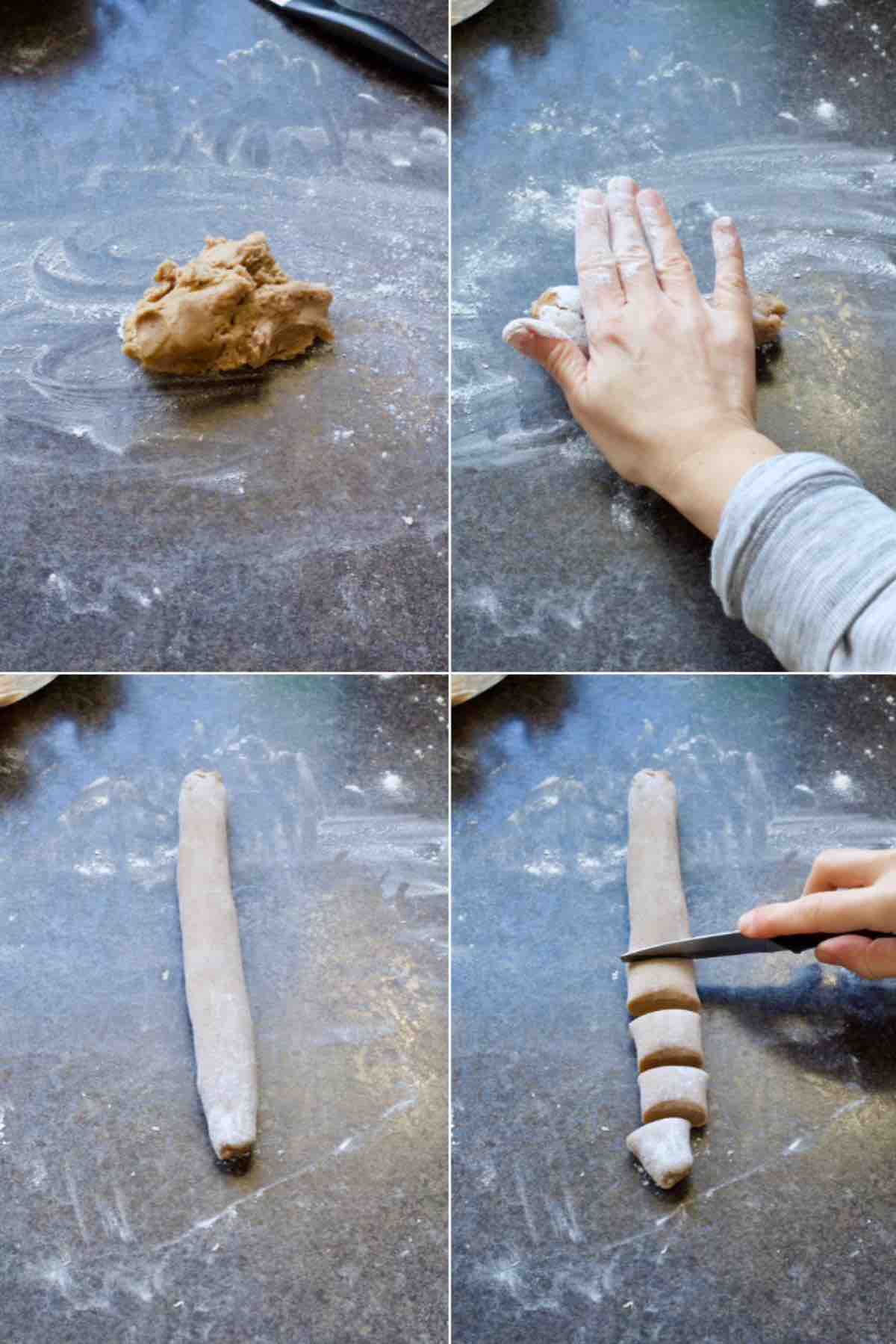
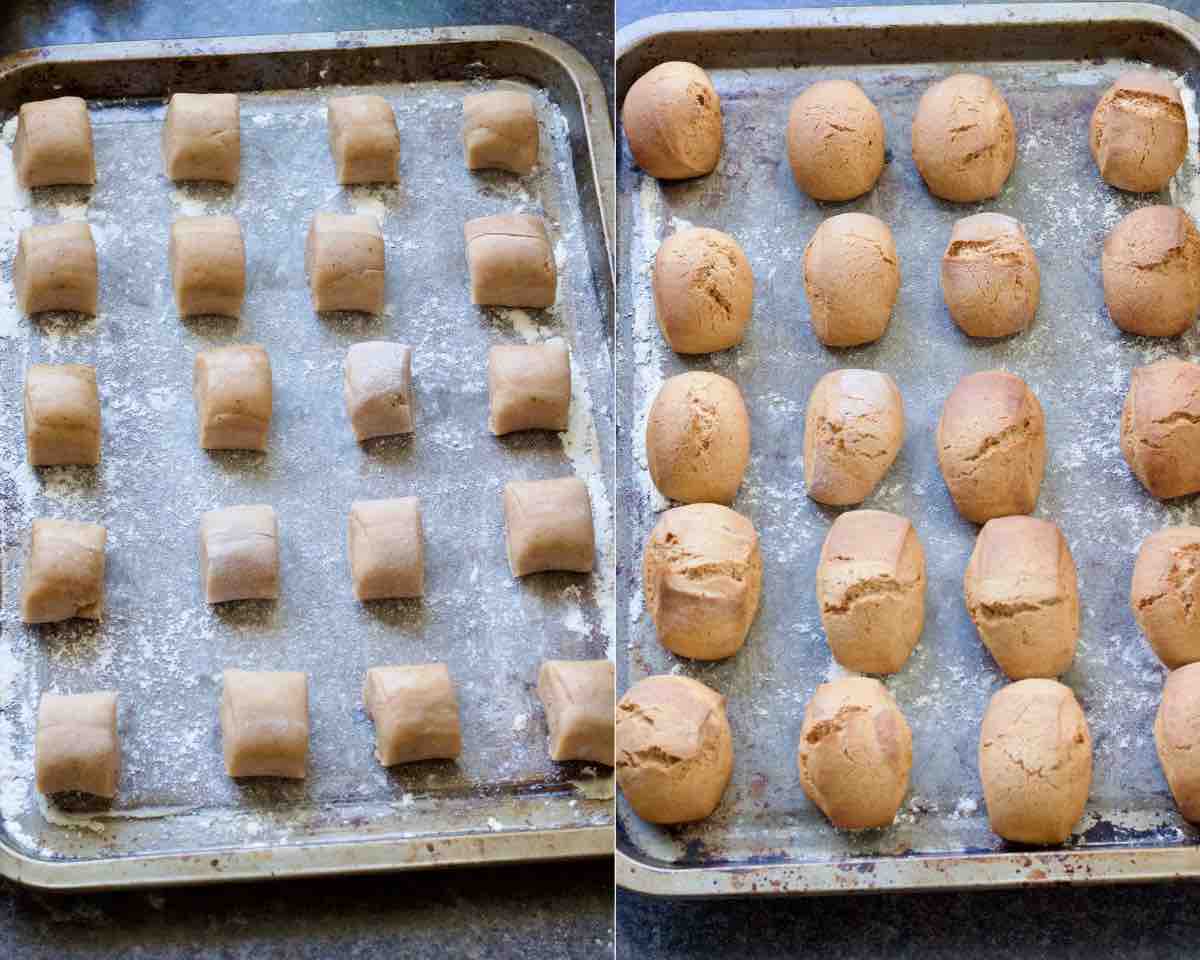
Take small piece of dough out of the bowl (it will be quite hard initially) and onto a counter dusted with some flour and roll it into sausage shape.
Cut it into small 2x2cm pieces (similar to gnocchi). Repeat with all the remaining dough.
Prepare couple of baking trays by greasing them lightly with some oil or butter and sprinkling over some flour. You might have to bake your pierniczki in batches if necessary.
Place pieces of dough on prepared baking sheet leaving some room for them to expand.
Bake in preheated oven for about 15-20 minutes depending on the size of your cookies. You want them nicely browned but not too dark.
***Quick Tip*** They will be a little bit soft when they come out of the oven and will harden substantially as they cool down only to soften again once iced and allowed to rest in a tin for a day or two.
Take them onto a cooling rack and allow to cool completely before icing.
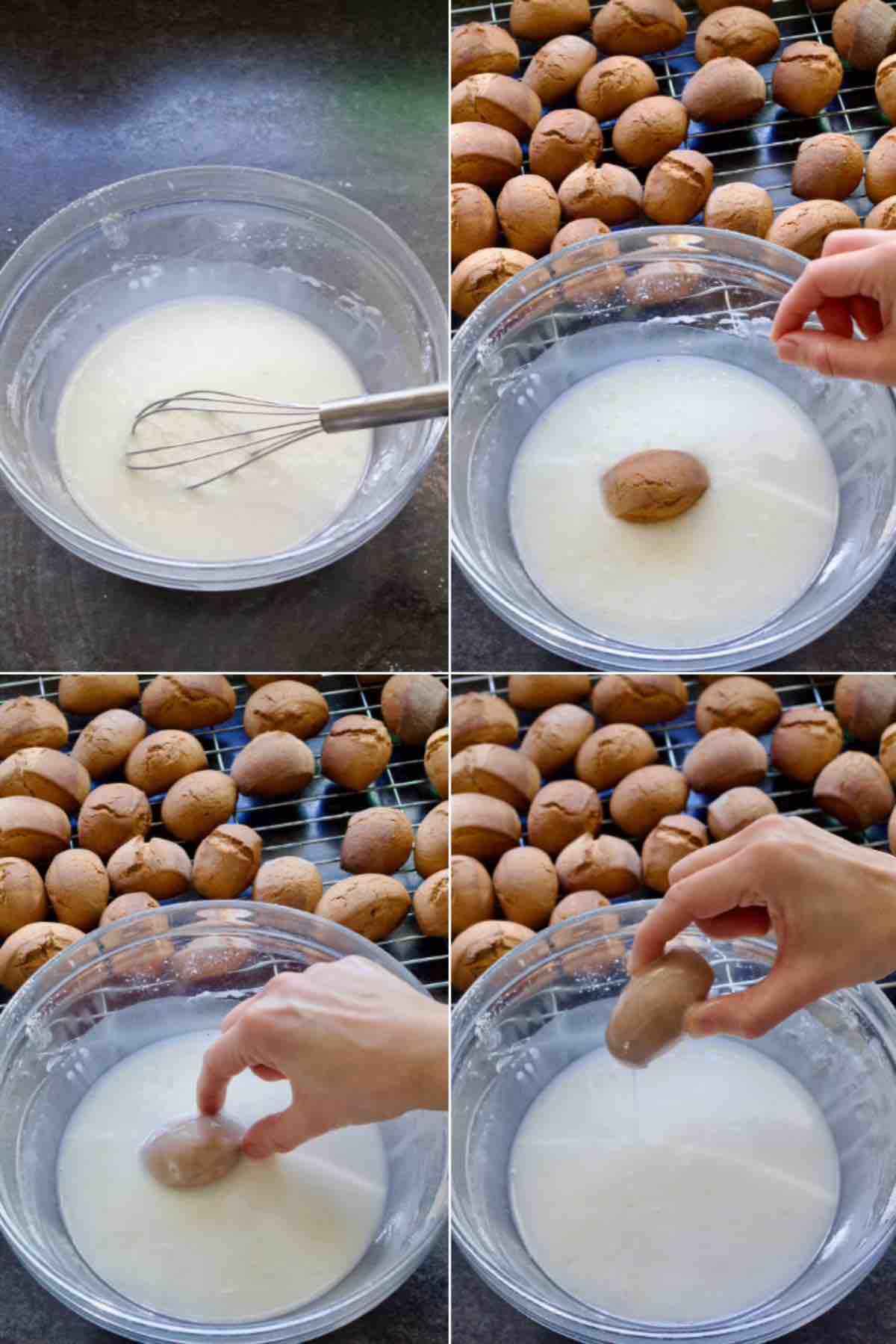
Prepare runny icing by mixing together sieved icing sugar, lemon juice and/or water.
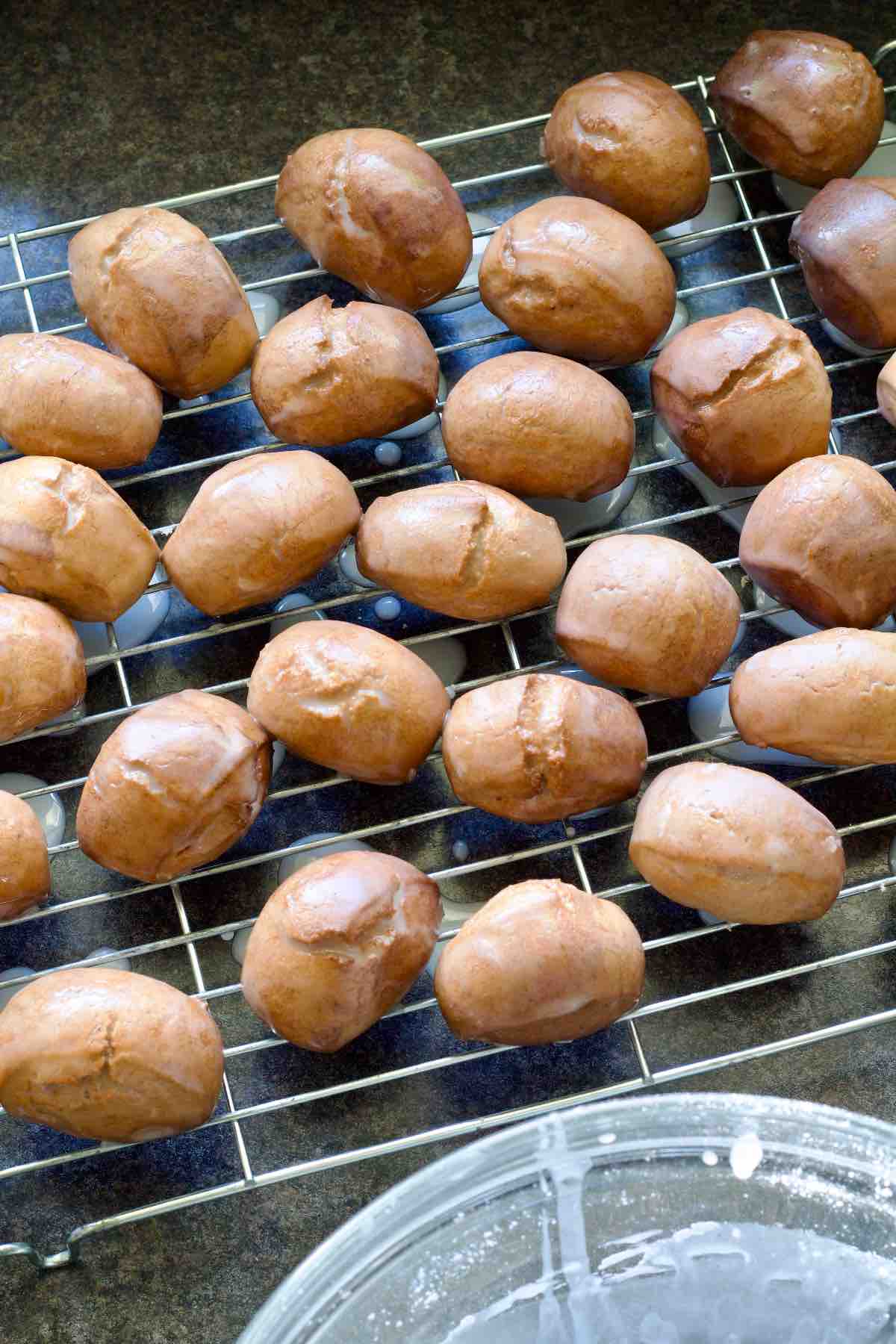
One by one put cooled pierniczki into the icing and completely cover them in icing. Place on a cooling rack to drip dry and for the icing to set. Repeat with all remaining cookies.
Let pierniczki dry completely on both sides before putting them into airtight biscuit tins.
***Quick Tip*** Even though it will be hard allow them to rest in a tin for at least a day to soften slightly. They do improve with time and day or two is all you need.
🥡 Storing pierniczki
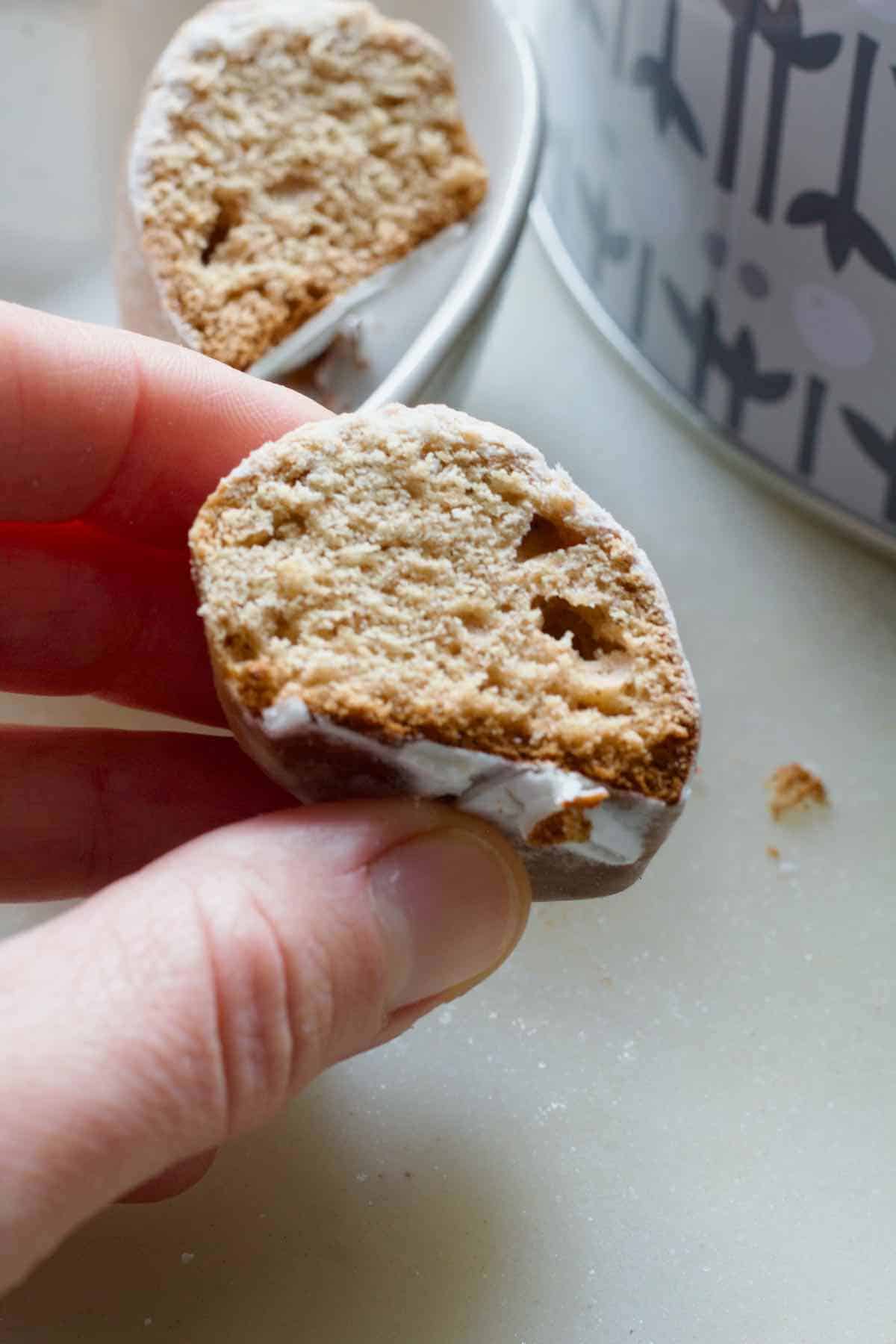
Once they've been iced and icing has dried, put them in airtight tins or containers and try to forget about them for a day or two.
This time will allow them to soften slightly, that's when they're at their best. You could eat them straight away but you will be able to tell the difference, they definitely improve with that bit of time.
They can be stored for weeks in airtight containers (if they last that long).
💭 Pro tips
Do use stand mixer or even food processor to mix the dough. It's very stiff and it's really difficult, although not impossible of course, to do it by hand. If you don't have a mixer ask another person to firmly hold the bowl for you as you mix the dough with wooden spoon.
For best tried and tested results please do follow the recipe as stated.
Recommended chilling time for pierniczki dough is between 48 hours up to 2 weeks. I've baked mine at different times within that time span and the results have been similar.
If you don't have room in your fridge, in winter you can rest your dough somewhere else cold like conservatory, porch etc. Just make sure it's nice and secure (especially if you have pets).
Do get ammonium bicarbonate for pierniczki. It's really worth that bit of extra effort and you can always use it in other recipes.
Don't panic when pierniczki harden once cooled. Once covered in thin layer of icing, dried and stored in airtight tins for a day or two they will become lovely and soft plus their flavour will develop too.
The amount of dough in this recipe yields approximately 80 cookies. Even though it sounds a lot it really isn't. They keep for weeks in the airtight containers and it's so nice to have these delicious little homemade gingerbread bites to enjoy whenever you feel like.

Have you tried my Pierniczki recipe?
Please consider giving it ⭐️⭐️⭐️⭐️⭐️ rating in recipe card below and share your views or tips in the comments.
❓FAQ
Once mixed, the dough will be very sticky but it will be very easy to work with once rested and chilled.
You can chill your dough from anywhere between 2 days and 2 weeks. I bake them quite often after only 2 days.
You can keep them uniced if preferred. However, icing (especially one made with some lemon juice) really adds another layer of flavour plus it helps with softening the cookies.
If you decide to go without icing, you might want to put a small piece of bread or apple (make sure you change it every day so it doesn't go mouldy) inside the tin to help pierniczki draw the moisture from and soften.
😋 More Polish recipes for you to try
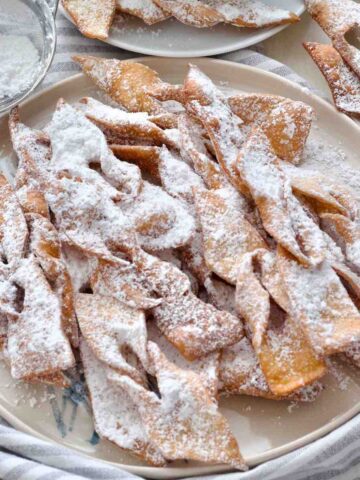
Polish Faworki (Chrusty, Chruściki)
Jagodzianki - Polish Blueberry Buns
Polish Apple Pancakes (Racuchy z Jabłkami)

📋 Recipe

Pierniczki (Polish Gingerbread Cookies)
Equipment
Ingredients
Dough
- 750 g plain (all-purpose) flour
- 125 g butter of your choice I use Flora Plant salted butter
- 250 g honey
- 3 eggs (medium or large)
- 110 g sugar caster (fine) or granulated
- 125 ml milk or unsweetened plant milk I use unsweetened soya milk
- 1 teaspoon baking soda
- 1 teaspoon ammonium bicarbonate mixed with 1 teaspoon water
- 1 teaspoon (heaped) of ground cinnamon
- 1 teaspoon (slightly rounded) ground nutmeg
- 1 teaspoon (slightly rounded) ground cloves
- ½ teaspoon ground black pepper optional but recommended
Icing
- 360 g icing sugar sieved
- 6 tablespoon lemon juice
- 4 tablespoon water optional, you can swap it for more lemon juice instead
Instructions
- Put sugar, butter, milk and honey in a medium pan and heat up gently stirring constantly until dissolved/melted together into uniform mixture. Make sure you don't allow mixture to boil. Set aside.125 g butter of your choice, 250 g honey, 125 ml milk or unsweetened plant milk, 110 g sugar
- Put flour, spices, black pepper and baking soda in a large bowl or a bowl of stand mixer and give it a quick mix to incorporate.***Quick Tips*** Although this dough can be mixed by hand with a help of wooden spoon, I would highly recommend using stand mixer with paddle attachment. It is a really stiff dough and you will need a lot of elbow grease to properly mix it by hand.750 g plain (all-purpose) flour, 1 teaspoon baking soda, 1 teaspoon (heaped) of ground cinnamon, 1 teaspoon (slightly rounded) ground nutmeg, ½ teaspoon ground black pepper, 1 teaspoon (slightly rounded) ground cloves
- Pour butter and honey mixture into the flour and start mixing.Add eggs one by one, mixing in between each addition.3 eggs (medium or large)
- Prepare ammonium bicarbonate by mixing it with a teaspoon of water. This makes it easier to evenly distribute through the dough.Add ammonium bicarbonate water mixture into the dough and mix well to incorporate. At this point dough will be very sticky and it wouldn't be easy at all to work with. It requires chilling.1 teaspoon ammonium bicarbonate
- Transfer your dough into a bowl that will fit in your fridge. Cover and put in the fridge for minimum of 48 hours and up to 2 weeks to firm up and for flavours to develop.
- When you're ready to bake preheat the oven to 180°C/ 350°F/ gas mark 4. I use fan oven at this temperature.Take small piece of dough out of the bowl (it will be quite hard initially) and onto a counter dusted with some flour and roll it into sausage shape.Cut it into small 2x2cm pieces (similar to gnocchi). Repeat with all the remaining dough.
- Prepare couple of baking trays by greasing them lightly with some oil or butter and sprinkling over some flour. You might have to bake your pierniczki in batches if necessary.Place pierniczki dough on prepared baking sheet leaving some room for them to expand. Bake in preheated oven for about 15-20 minutes depending on the size of your cookies. You want them nicely browned but not too dark. ***Quick Tip*** They will be a little bit soft when they come out of the oven and will harden substantially as they cool down only to soften again once iced and allowed to rest in a tin for a day or two. Take them onto a cooling rack and allow to cool completely before icing.
- Prepare runny icing by mixing together sieved icing sugar, lemon juice and/or water. One by one put cooled pierniczki into the icing and completely cover them in icing. Place on a cooling rack to drip dry and for the icing to set. Repeat with all remaining cookies.Let pierniczki dry completely on both sides before putting them into airtight biscuit tins. ***Quick Tip*** Even though it will be hard allow them to rest in a tin for at least a day to soften slightly. They do improve with time and day or two is all you need.360 g icing sugar, 6 tablespoon lemon juice, 4 tablespoon water
Notes
- Nutritional information is approximate, per cookie (based on 80 cookies) and will differ depending on the ingredients (dairy vs non-dairy) used so it should be treated as a rough guideline only.
- Please use plain (all-purpose) flour. Don't be tempted to use self-raising flour instead!
- For more detailed info on ingredients and possible substitutions please see 📝 Pierniczki ingredients.
- For best tried and tested results please follow the recipe as stated including the minimum dough chilling/maturing time of 48 hours.
- If stored properly in the airtight containers pierniczki will keep for weeks (if they last that long).
Nutrition
Recipe from personal notes but also referred to and adapted from Tak Smakuje Kociewie.


Comments
No Comments